Two million wildebeest, 300,000 zebras, and one unforgettable sunrise. Standing on the banks of the Mara River, camera trembling in my hands, I witnessed nature's greatest spectacle unfold before my eyes.
The Dawn of Discovery
It was 5:47 AM when our Land Cruiser came to a halt at the edge of a cliff overlooking the Mara River. The air was thick with anticipation and dust. Our guide, Githaiga, had been tracking the herd's movement for three days, following reports from the Maasai scouts who serve as the Mara's eyes and ears.
"Today is the day," he whispered, binoculars pressed to his eyes. "They will cross."
Below us, the river churned with the dark shadows of Nile crocodiles, some measuring over five meters long. They had been waiting for weeks, their ancient instincts knowing what was coming. On the opposite bank, over 200,000 wildebeest stretched to the horizon – a living, breathing carpet of brown and white.
The Wait
What many photographers don't tell you about the Great Migration is the waiting. For six hours, we sat in silence as the herd deliberated. A young bull would approach the water's edge, sniff the air, then retreat. The crocodiles remained motionless, patient as the ancient rocks they resembled.
Sternly taught me that the crossing is triggered by a single brave individual, the leader who takes the first leap into the swirling waters. Once that happens, a switch flips in the collective mind of the herd, and chaos erupts.
The Crossing
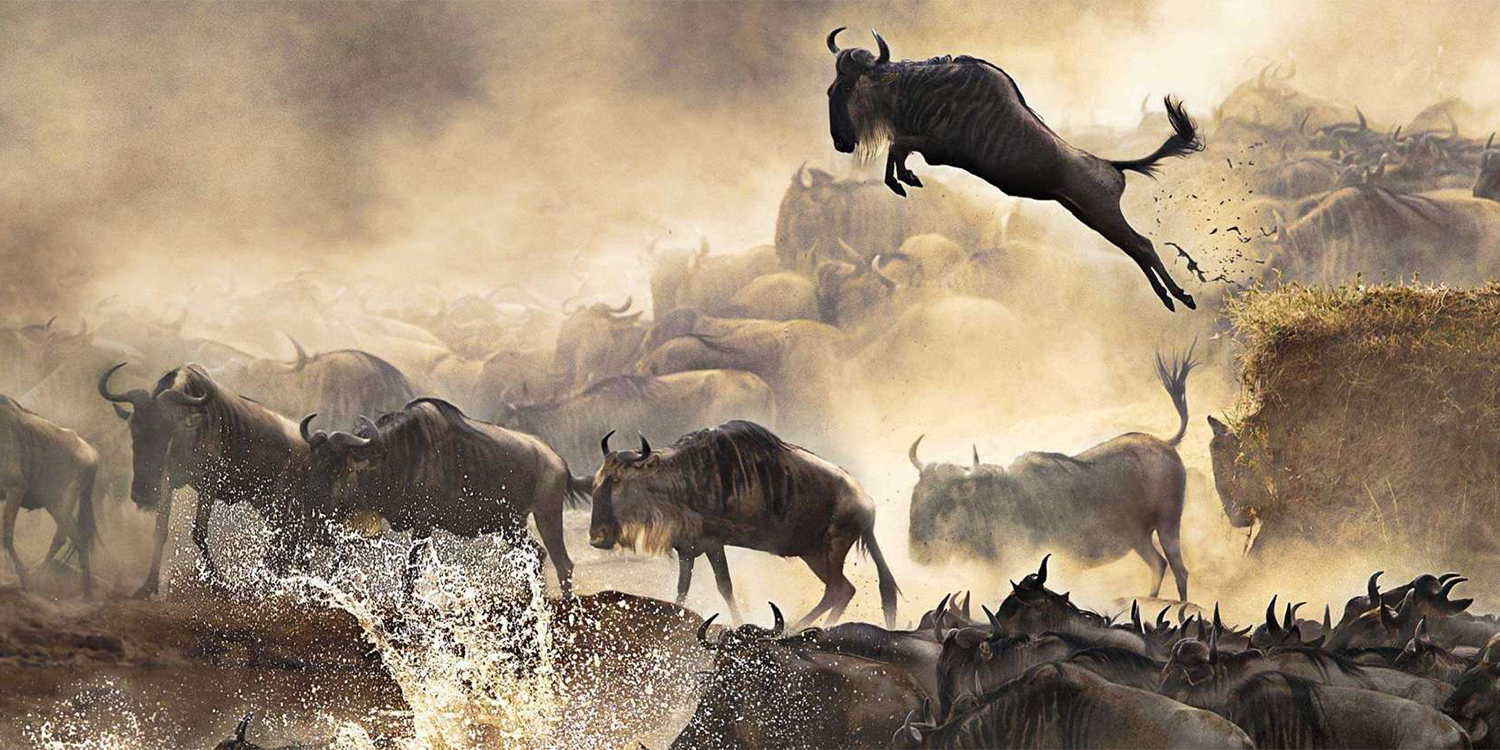
At 11:23 AM, it happened. A single wildebeest, later I would learn the Maasai call this one "the chosen," plunged into the water. Within seconds, thousands followed. The sound was overwhelming: hooves striking water, desperate grunts, the splash of bodies diving into the unknown.
My shutter fired continuously, 20 frames per second, trying to capture the impossible. Wildebeest leaped from heights that seemed suicidal, their bodies twisting mid-air. Young calves bleated for their mothers amidst the chaos. And yes, the crocodiles struck, but not as often as you might imagine. The sheer volume of animals overwhelms even the most efficient predators.
The Aftermath
By 1 PM, the crossing was complete. On our side of the river, wet wildebeest shook themselves dry, already beginning to graze on the lush Mara grasses. The crocodiles had disappeared beneath the surface, sated for now. The river, churned to muddy chaos an hour before, began to calm.
I sat in the vehicle, reviewing my shots, tears rolling down my cheeks. In over 5 years of wildlife photography, I had never witnessed anything so profoundly moving. This was not just a spectacle, it was a testament to the unstoppable force of life itself.
Planning Your Journey
The Great Migration is a year-round cycle, but the dramatic river crossings typically occur between July and October. Timing is unpredictable, the animals follow the rains, not our calendars. I recommend:
- Booking at least 5 days in the Maasai Mara during crossing season
- Choosing a camp with access to multiple crossing points
- Traveling with an experienced guide who has local connections
- Bringing patience, the best photography rewards those who wait
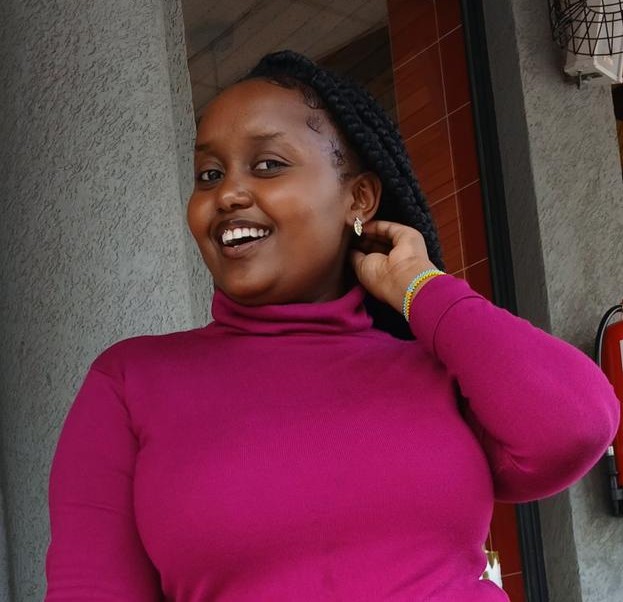
Stacy Kinyanjui
Award-winning wildlife photographer and conservation advocate. Stacy has spent over 5 years documenting Africa's wildlife and works closely with local communities to promote sustainable tourism.
Experience the Migration
Join us on a curated safari during the Great Migration season.
View Masai Mara Safari